
How to Sell Land Without a Realtor in New Hampshire

Selling Without a Realtor Means Taking Control of the Process
You can sell New Hampshire land without a realtor, but you become responsible for the work an experienced land agent would normally handle. That includes pricing, property research, listing or buyer outreach, screening inquiries, negotiating terms, coordinating documents, and keeping the closing on track. For some owners, that control is worth it. For others, a direct cash offer is a simpler no-agent option.
Vacant land is different from a house. Buyers care about access, road frontage, zoning, wetlands, utilities, terrain, survey, buildability, taxes, deed restrictions, current-use status, and resale demand. If you cannot answer those questions, buyers may discount the price or walk away. A strong by-owner sale starts with a clear property file.
Gather the parcel ID, tax bill, deed, acreage, town, county, maps, photos, access notes, utility information, known restrictions, and any survey or septic records. If you inherited the land, have co-owners, owe taxes, or know of title issues, identify those facts before you market the parcel.
Pricing Land By Owner in New Hampshire

Pricing is usually the hardest part of selling land without an agent. Active listings can be misleading because they show what sellers want, not what buyers paid. Look for sold vacant land with similar town, acreage, access, utility distance, terrain, and buildability. A five-acre buildable lot on a public road is not comparable to five acres with no deeded access or heavy wetlands.
Use tax assessment as one reference, not the final answer. Some assessments are below market, some are high, and some do not capture access or buyer demand well. Also consider how long comparable parcels sat on the market, whether prices were reduced, and whether the sale involved owner financing or unusual terms.
If you want speed, price more realistically. If you want top retail value, expect a longer process and more buyer questions. If you request a cash offer, compare it against the realistic net after commission savings, closing costs, holding taxes, cleanup, surveys, and your time.
Marketing a No-Realtor Land Sale
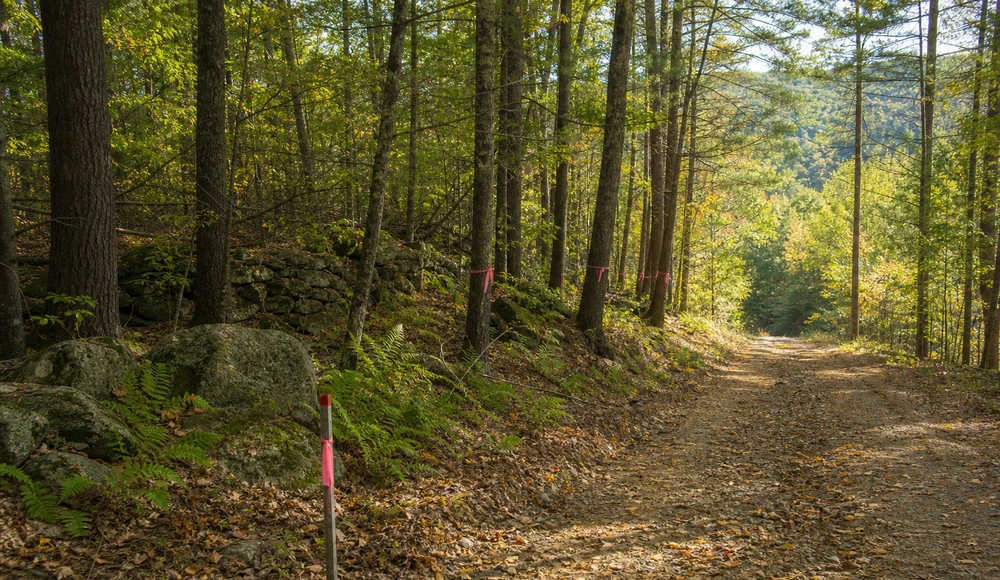
By-owner marketing should make the parcel easy to understand. Include the town, county, acreage, parcel ID, annual taxes, road access, zoning or use notes, nearby utilities, terrain, known wetlands, current-use classification if any, and directions. Use clear maps and photos. If you do not know whether the land is buildable, say that buyers should verify with the town.
Where you market depends on the land. Buildable lots may do well on real estate portals or land sites. Recreational acreage may attract outdoor buyers. Neighbor outreach can work for small lots or access strips. Social media can generate attention, but expect many unqualified messages. Direct cash buyer forms are faster when you would rather skip public marketing.
Be careful not to overpromise. Avoid saying the land is approved for a house, subdivision, or septic system unless you have documents. Accurate descriptions reduce disputes and make serious buyers more comfortable.
Screening Buyers and Negotiating Terms Yourself

Without an agent, you must screen buyers before giving them weeks of your time. Ask whether they are paying cash or financing, whether they have proof of funds, what inspection period they need, whether they will use a title company, and whether they have bought land before. If they are using financing, ask what lender and timeline are involved because land loans can be harder than house loans.
Negotiate more than price. The agreement should cover deposit, closing date, title company, inspection deadline, closing costs, tax prorations, assignment rights, and what happens if title issues appear. A higher offer with no deposit and a long cancellation period may be weaker than a lower cash offer that can close quickly.
Keep communication organized. Save emails, texts, maps, signed agreements, and closing documents. If multiple owners must sign, make sure all owners approve the same terms before you tell the buyer yes.
Documents and Closing Without an Agent
You do not need a realtor to close, but you should still use a proper closing process. A title company or closing attorney can search title, confirm ownership, prepare or coordinate the deed, handle funds, pay approved taxes or liens, create the closing statement, and record documents. This protects both buyer and seller.
The basic file may include the deed, tax bill, purchase agreement, seller identification, payoff information, probate or trust documents, entity authorization, survey, association or private-road information, and any municipal notices. If the land has title issues, disclose them early so the buyer and closing team can decide what is required.
Remote signing may be available if you live outside New Hampshire, but it should be planned before the closing date. Ask about notarization, overnight documents, wire instructions, and identity verification. Be cautious with last-minute wire changes or requests to bypass escrow.
Direct Cash Offer Versus FSBO Listing
For sale by owner can produce a strong result if the parcel is easy to understand, priced correctly, and attractive to retail buyers. You avoid a listing commission and control the process. The downside is time, buyer screening, negotiation, paperwork, and the risk that a buyer backs out after inspection or financing problems.
A direct cash offer is the simpler no-realtor alternative. You share parcel details, the buyer reviews title and land facts, and you decide whether the written offer is worth accepting. There are no public showings, no agent commission, and usually fewer contingencies. The price is often lower than optimistic retail value because the buyer is taking on resale risk and closing work.
Compare both options honestly. Estimate the likely listing price, commission saved, closing costs, taxes during the marketing period, cleanup, survey needs, travel, and chance of a failed buyer. Then compare the cash offer’s certainty and timeline. The best option is the one that matches your priorities, not the one that sounds best in theory.
Mistakes to Avoid When Selling Land Without a Realtor
- Pricing from wishful active listings instead of comparable sold land.
- Ignoring access, wetlands, utilities, current-use status, or title issues until the buyer discovers them.
- Accepting verbal terms instead of a written purchase agreement.
- Letting a buyer control the closing without a neutral title company or attorney.
- Sending sensitive documents or wire information before the buyer is screened.
- Assuming a high offer is real without deposit, proof of funds, and clear deadlines.
A no-agent sale can be straightforward when facts are organized and expectations are realistic. Most problems come from vague terms, weak buyers, missing ownership authority, or surprise title issues.
Bottom Line: You Can Sell Without a Realtor, But Do Not Skip Structure
Selling land without a realtor in New Hampshire is possible, but it still needs research, pricing discipline, buyer screening, written terms, and a proper closing. If you want to do the work yourself, build a complete property file and market the parcel honestly.
If you want the simplest no-agent route, request a direct cash offer. It gives you a concrete number, a defined buyer, and a way to compare speed and certainty against a by-owner listing.
Step-by-Step No-Realtor Process
First, collect the property file and decide whether you want a public sale or a private direct offer. A public sale may bring more inquiries, while a direct offer may save time. Do not start marketing until you know the parcel ID, taxes, access, acreage, owner authority, and known issues.
Second, choose a pricing strategy. If you are testing the open market, price from comparable sold land and be ready to answer questions. If you need speed, request a cash offer first so you have a real baseline. Either way, know your minimum acceptable net number before negotiating.
Third, screen buyers before accepting terms. A serious buyer should explain funding, inspection needs, deposit, closing deadline, title company, and closing costs. If they cannot answer those questions, keep looking or require stronger written protection.
Fourth, use a written purchase agreement and a proper closing. The buyer and seller may negotiate directly, but the deed, funds, recording, taxes, liens, and settlement statement should still be handled correctly. Selling without a realtor should not mean closing without structure.
When Paying an Agent May Still Be Worth It
A land agent may be useful if the parcel is highly marketable, difficult to price, part of a development assemblage, or likely to attract several retail buyers. Paying a commission can make sense if the agent’s land expertise produces a higher net result after time and costs.
If the parcel is low-value, remote, inherited, title-complicated, or urgent, the commission and listing timeline may not be worth it. That is when a direct buyer or by-owner sale often becomes more practical.
Frequently Asked Questions
Can I sell land without a realtor in New Hampshire?
Yes. Owners can sell by owner or directly to a cash buyer, but they must handle pricing, buyer screening, documents, negotiation, and closing coordination.
Do I still need a title company or attorney?
A proper closing is strongly recommended. A title company or closing attorney can review ownership, liens, taxes, deed preparation, funds, and recording.
What is the easiest no-realtor option?
The simplest path is often a direct cash offer because it avoids public listing, showings, buyer financing, and agent commission, though the price may be below full retail value.
Sell Your New Hampshire Land Without a Realtor: Get a Cash Offer
A direct cash offer gives you one more option before you list, market, negotiate, and coordinate paperwork on your own.
Need to sell your New Hampshire land? We buy land directly from owners for cash, with no fees, no commissions, and we close in as little as 2 weeks.