
How to Sell Land Fast in New Hampshire

Fast Land Sales Depend on Information, Not Pressure
Selling land fast does not mean rushing blindly. The quickest successful sales usually happen when the seller has clear parcel information, realistic expectations, and a buyer who does not need bank financing. If basic facts are missing, even a motivated buyer has to pause for title, tax, access, and municipal questions.
Start with the parcel ID, deed, tax bill, town, county, acreage, access notes, photos, survey if available, and anything you know about wetlands, utilities, road frontage, zoning, current use, or private-road obligations. If the land was inherited, has co-owners, or has back taxes, disclose that early. Surprises create delays.
A direct cash buyer can shorten the process because the transaction is not waiting on a retail buyer’s loan, appraisal, or repeated showings. The title company still needs to confirm ownership and closing requirements. A fast sale should still use written terms, clear cost responsibilities, and a neutral closing process.
What Slows Down New Hampshire Land Closings
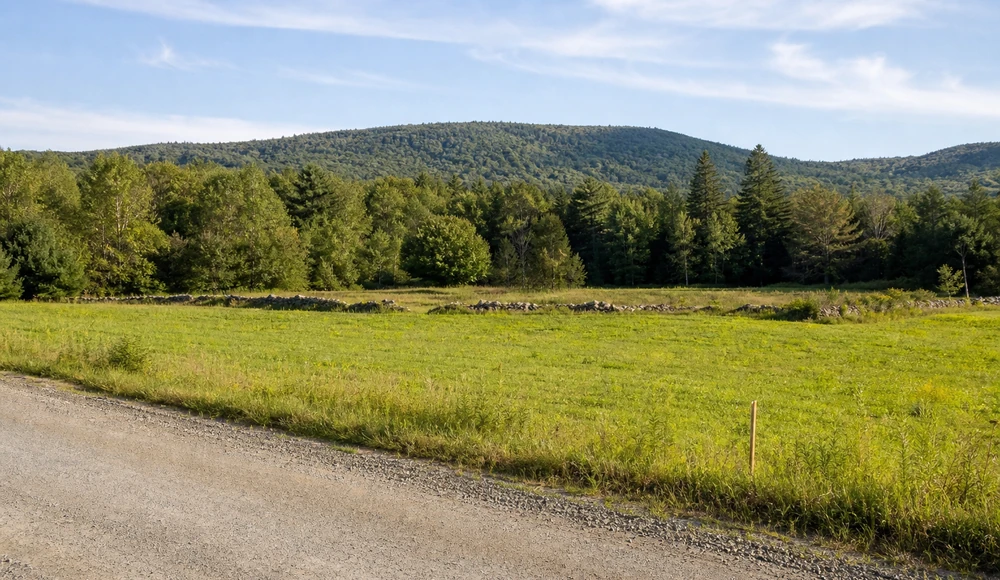
Land closings slow down when ownership is unclear, heirs are unavailable, tax balances are unknown, liens appear, road access is disputed, or buyers need extra time to investigate buildability. Vacant land also raises questions that house buyers may not think about: deeded access, right-of-way language, wetlands, septic potential, utility distance, timber value, slope, floodplain, and local zoning.
New Hampshire parcels can be especially varied. A Seacoast lot, a Lakes Region parcel, a White Mountains recreation tract, and remote North Country acreage each attract different buyers and different due-diligence questions. If your land has a seasonal road, private association, shoreland rules, conservation restrictions, or current-use status, mention it before the buyer writes final terms.
Another common delay is unrealistic pricing. If the asking price is based only on active listings or emotional value, qualified buyers may pass. If you need speed, price should reflect actual sold land, access, title condition, and the time saved by choosing a cash path.
Three Ways to Sell Faster
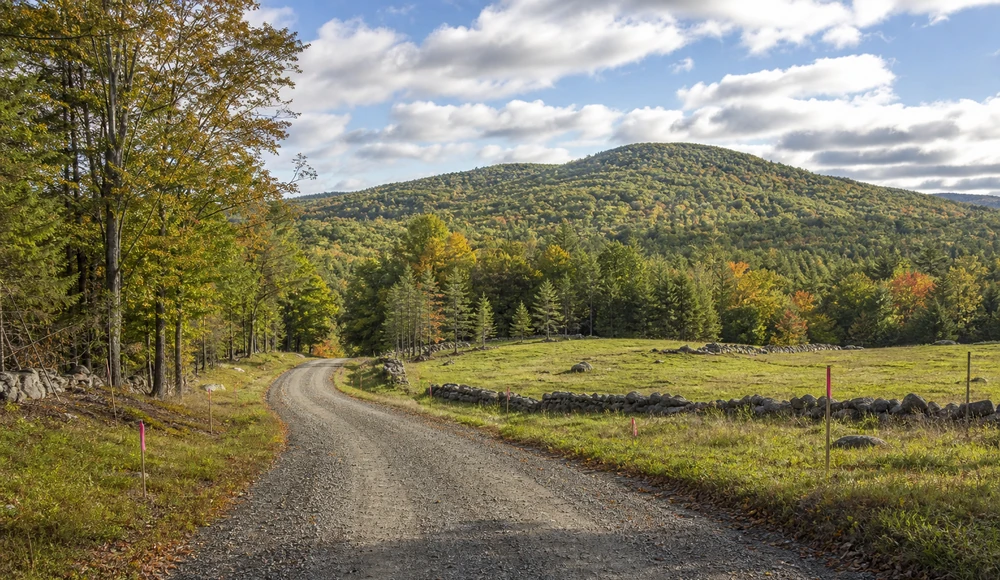
You can reduce the sale timeline in three ways: make the property easier to understand, choose buyers who can perform, and remove unnecessary pre-sale projects. A good property file answers the first round of questions before they are asked. A serious buyer provides written terms and proof they can close. Skipping optional cleanup or improvements keeps the sale from turning into a project.
- Share the parcel ID, tax card, deed, tax amount, acreage, maps, photos, and access notes in one message or folder.
- Ask whether the buyer is using cash or financing, what inspection period they need, and whether closing will be handled by a title company.
- Decide whether clearing brush, surveying, or improving access will truly increase net proceeds enough to justify the time.
- Make sure every owner, heir, spouse, trustee, or entity signer is ready to respond when title documents arrive.
If the land has a known issue, address it directly. A buyer may still purchase land with back taxes, unclear boundaries, wetlands, old structures, or limited access, but the offer must account for those facts. Trying to hide issues usually slows the transaction later.
Cash Offer Versus Traditional Listing Timeline

A traditional listing can work well for land with easy access, strong retail demand, clean title, good photos, and a price supported by comparable sales. The tradeoff is time. You may wait for marketing, showings, questions, negotiations, inspections, financing, and closing. If the first buyer backs out, the clock starts again.
A cash offer gives you a defined buyer and a clearer closing path. The buyer reviews the parcel as-is, considers taxes, access, title, and resale demand, then writes terms you can compare. The price may be lower than a hoped-for retail number, but the net result can be competitive after commissions, carrying costs, cleanup, and months of uncertainty.
For owners who live out of state, inherited land, owe back taxes, or simply want to move on, certainty may matter more than squeezing out the final dollar. For owners with no hurry and a highly marketable parcel, listing may be worth trying first. The right choice depends on your timeline and tolerance for work.
How to Review a Fast Cash Offer
Before accepting a fast offer, slow down long enough to check the terms. The purchase agreement should state the price, deposit if any, closing deadline, inspection period, title company, closing-cost responsibility, tax prorations, and what happens if title defects or liens are found. A buyer who pressures you to skip written terms is not making the sale simpler; they are making it riskier.
Ask whether the buyer has bought land in New Hampshire before, whether they understand vacant land due diligence, and whether the offer depends on assigning the contract to someone else. Contract assignment is not always bad, but you should know who is expected to close and what happens if they do not.
Also compare the offer to your true alternatives. If listing would require months of taxes, possible commission, travel, cleanup, price reductions, and buyer financing, include those costs. If the land is easy to sell and there is strong demand, include that upside too. A fast sale should be a conscious tradeoff, not a panic decision.
Documents That Help a Fast Closing
Fast closings are easier when the seller can provide current owner contact information, government ID when requested by the title company, the most recent deed, tax bill, parcel ID, probate or trust documents if applicable, payoff information, and signed purchase terms. If multiple owners are involved, collect phone numbers and email addresses before the title company starts chasing signatures.
If you cannot find the deed or survey, do not assume the sale is impossible. Many records can be pulled from county registry or town sources. The key is to tell the buyer what you have and what you do not have. That lets the closing team build the file without guessing.
Remote closings are often possible, but they still require proper identification, notarization, and document delivery. If you live outside New Hampshire, ask early how signing will be handled so the closing date is not missed because one document needs a wet signature or local notary.
Bottom Line: Fast Should Still Be Clean
The fastest land sale is the one with the fewest surprises. Prepare the parcel facts, choose a buyer who can close, use a title company, and compare written terms against your other options. You do not need to make the land perfect before asking for an offer, but you do need enough transparency for the buyer and title company to move quickly.
If speed and certainty matter, request a direct cash offer and review the timeline, net proceeds, and closing responsibilities. A clean as-is sale can help you stop paying taxes, resolve inherited property, or move on from unused land without months of listing uncertainty.
A Fast-Sale Timeline That Still Protects the Seller
Day one should be about facts, not signatures. Send the parcel ID, deed, tax bill, maps, photos, and ownership details so the buyer can complete an initial review. If the buyer is serious, they should be able to explain what else is needed before opening title or writing final terms.
During the first few days, confirm every required signer. Many fast land sales slow down because one co-owner is traveling, one heir has not checked email, or one trust or LLC document is missing. A buyer cannot solve missing authority at the last minute, so identify signer issues before the closing clock starts.
Once the purchase agreement is signed, title review should begin quickly. The closing team checks ownership, taxes, liens, legal description, and payoff items. If the file is clean, closing can move fast. If a lien, probate issue, or deed problem appears, the fastest path is honest communication about what is needed to clear it.
Before closing, review the settlement statement instead of only asking when money arrives. Make sure taxes, closing costs, payoffs, and net proceeds match the agreement. A fast sale is successful when it is quick and understandable.
Speed also improves when the seller knows their decision point. Decide ahead of time whether your main priority is highest price, fastest closing, stopping tax bills, resolving an estate, or avoiding listing work. A buyer can move faster when the seller is not trying to compare every possible path after terms are already drafted.
If you are still unsure, ask for both numbers: the cash-offer timeline and the realistic listing timeline. Seeing the tradeoff in writing usually makes the decision easier.
Frequently Asked Questions
What is the fastest way to sell land in New Hampshire?
The fastest practical path is usually a written cash offer from a buyer who can close through a title company after ownership, taxes, liens, and access are reviewed.
Can land close in two weeks?
Some parcels can close quickly if title is clean, all owners are available, taxes are known, and the buyer is paying cash. Probate, liens, missing signatures, or access questions can add time.
Do I need to clear or improve the land before selling fast?
Usually no for a direct as-is offer. Improvements may help a retail listing, but they can also cost time and money without guaranteeing a higher net result.
Sell Land Fast in New Hampshire: Get a Cash Offer Today
If speed and certainty matter more than waiting through a traditional listing, request a direct review and compare a no-obligation cash offer with your other options.
Need to sell your New Hampshire land? We buy land directly from owners for cash, with no fees, no commissions, and we close in as little as 2 weeks.